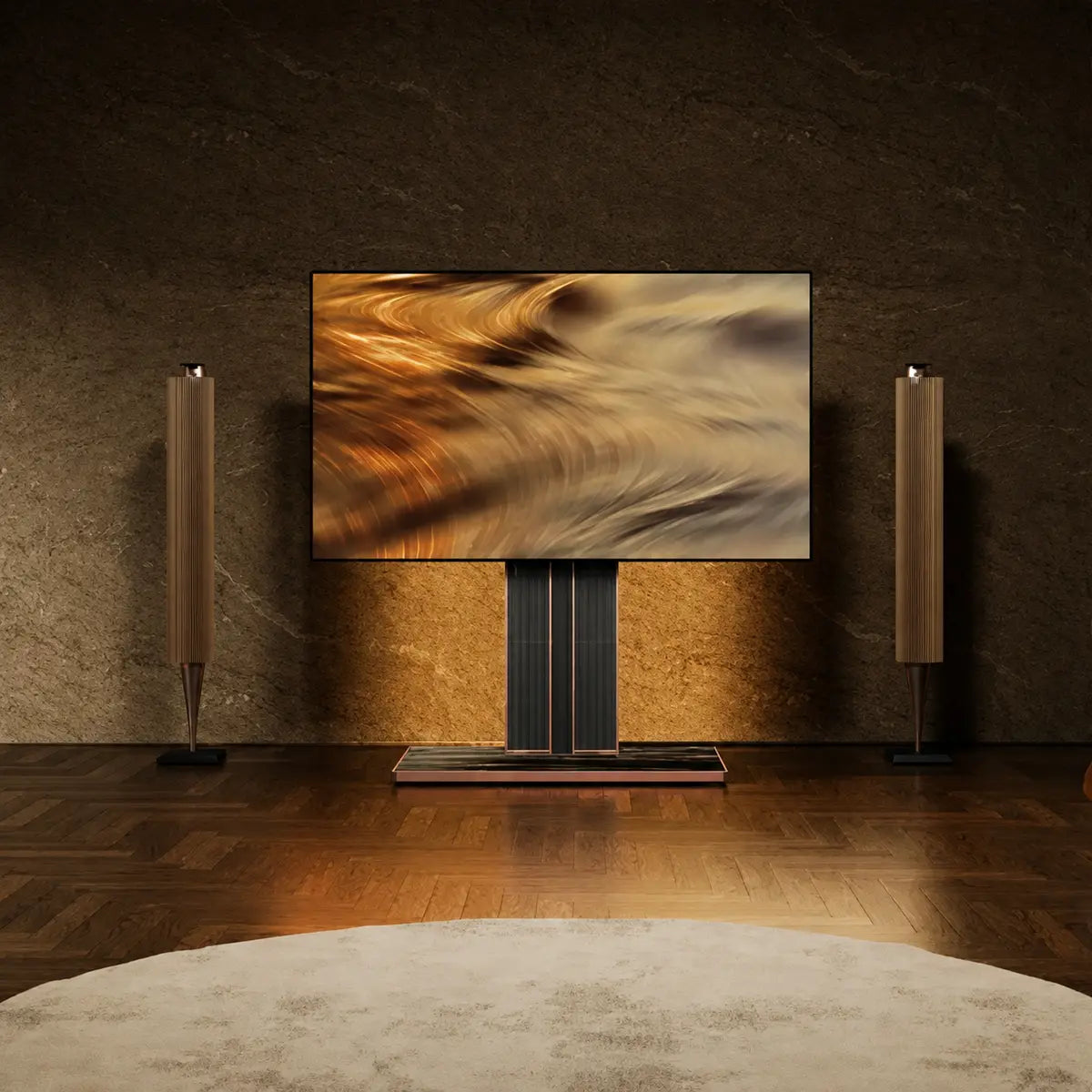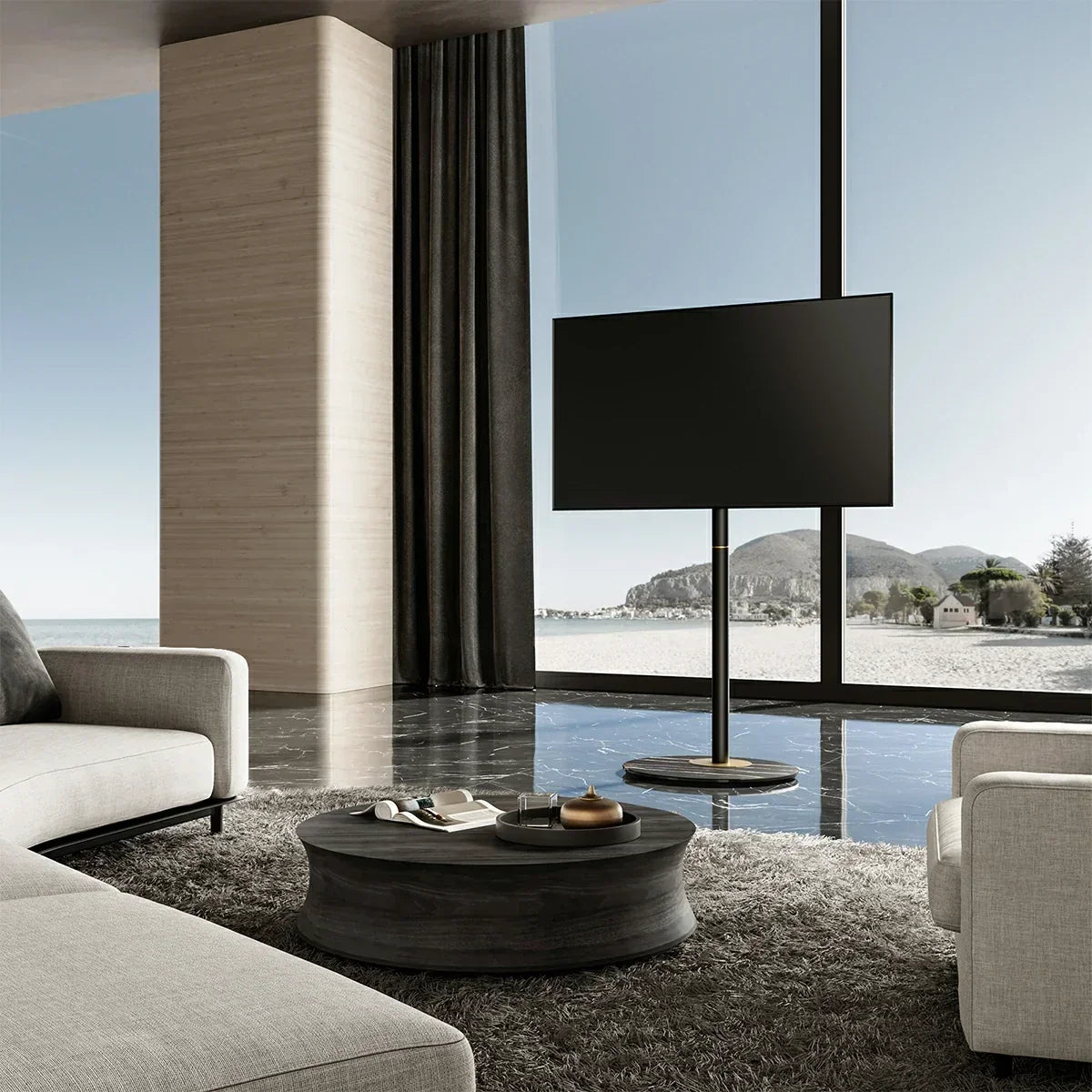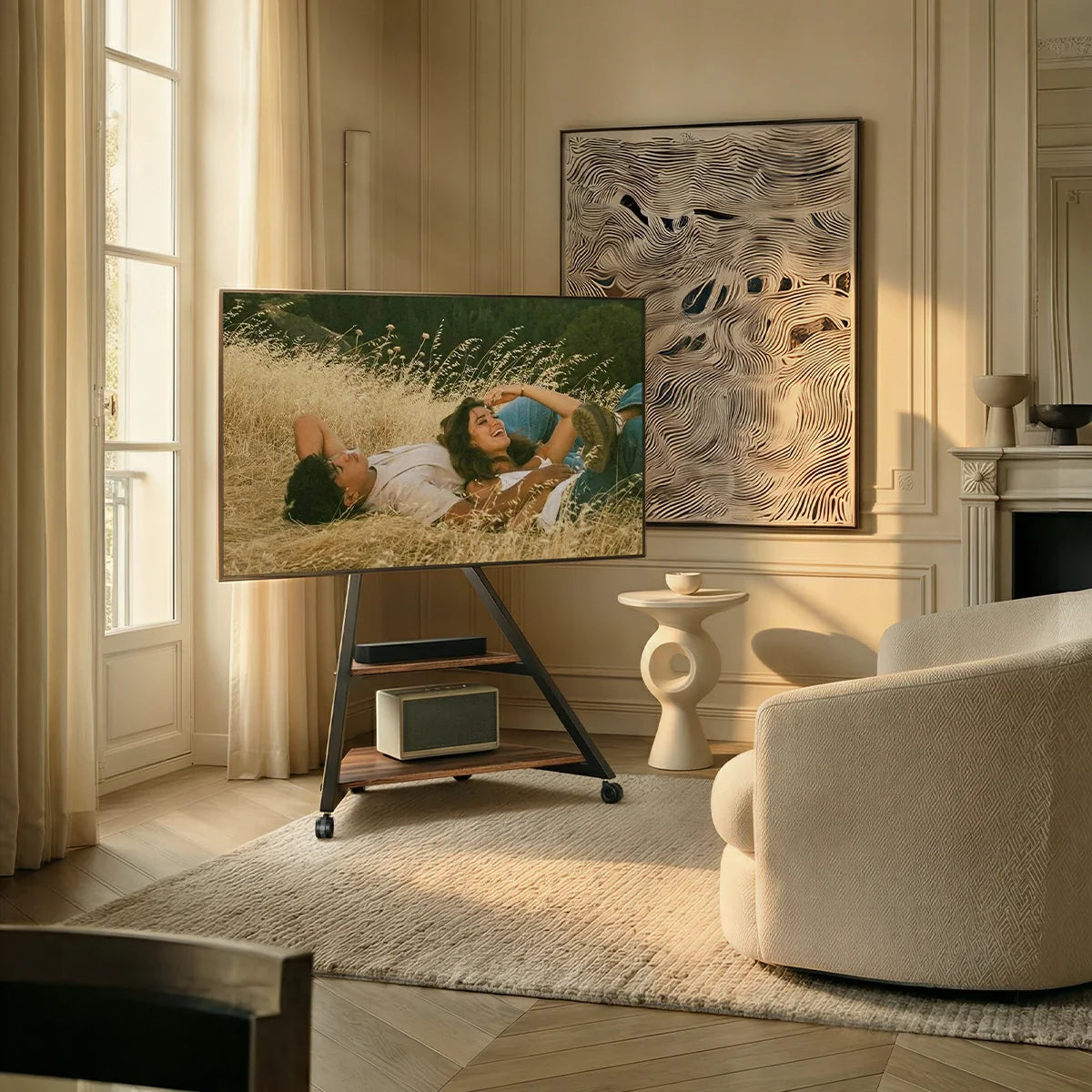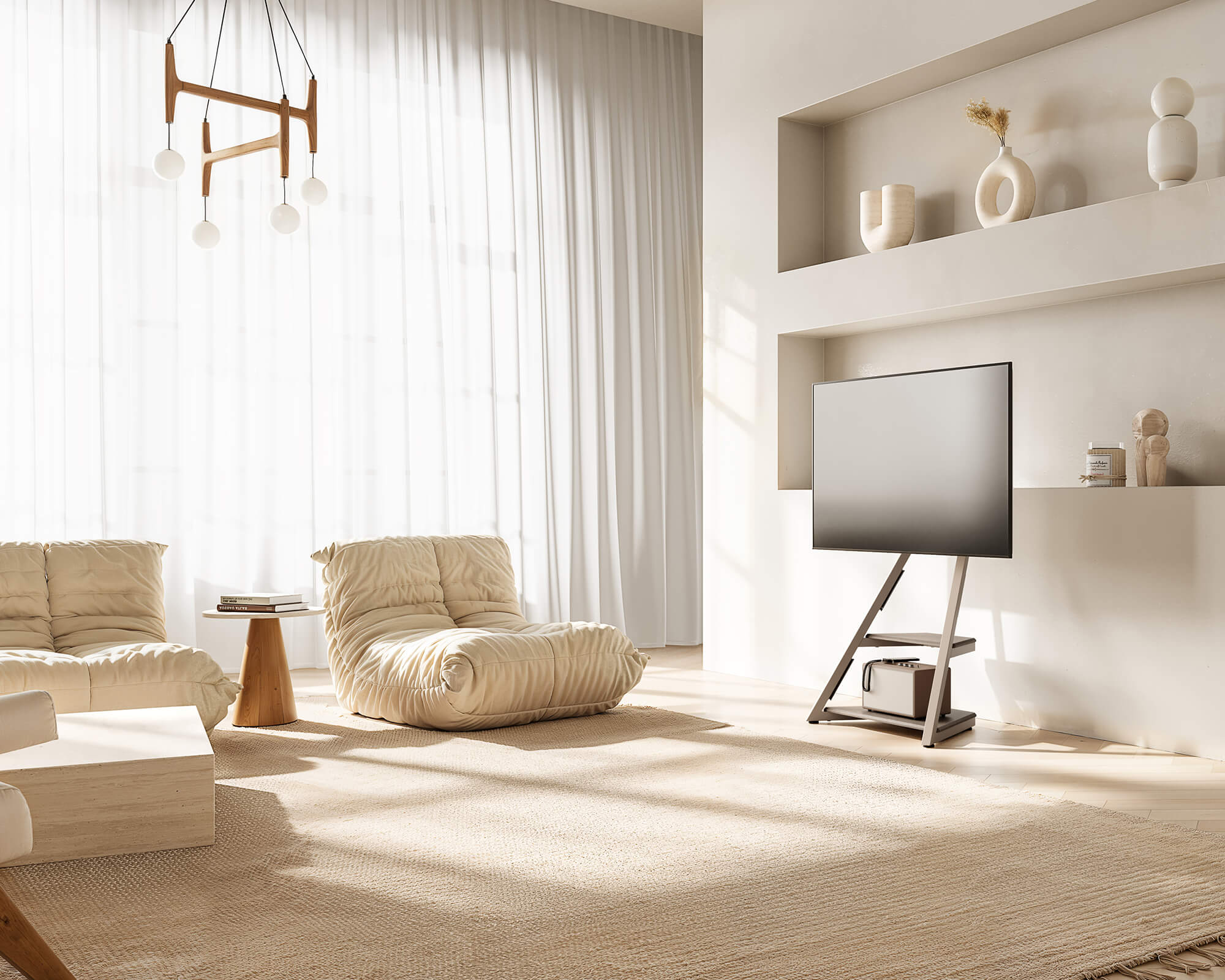



As more families transform their gardens into their own open-air cinemas, outdoor TVs have quickly become the centrepiece of terraces, balconies, and exterior entertainment areas. Whether it is a movie night under the moonlight, a relaxed afternoon series session on the terrace, or watching a big game together in the garden – we all long for that big-screen experience in the fresh air.
However, one question remains paramount for everyone: Can outdoor TVs actually get wet?
Many homeowners assume that a TV labelled "outdoor" is automatically 100% waterproof. Others fear that a single raindrop could ruin their investment. The truth is: there are several common misunderstandings about protecting TV screens outdoors.
In this guide, we break down IP ratings, highlight hidden environmental risks, and show you practical ways to safeguard your setup. This way, you can confidently create a secure, premium outdoor home cinema.
Can outdoor TVs really withstand rain?
The short answer is: Some outdoor TVs can withstand moisture for short periods relatively easily, but being "water-resistant" does not mean they are completely immune to the elements.
The actual safety of your setup depends on three factors:
- Product design: Was the device specifically developed for outdoor use?
- IP protection rating: What certified protection level is present?
- Placement: Is the TV set up in an appropriate environment?
Standard indoor TVs are not designed to handle moisture. If placed unprotected on a terrace, the following issues can quickly occur:
- Moisture accumulation in the circuits.
- Delamination of screen layers or fogging of the display.
- Short circuits or complete hardware failure.
- Shortened lifespan due to oxidation (rust).
True outdoor TVs are equipped with specialized seals to block dust and moisture. Still, even these high-end models should not be left completely unprotected outdoors during heavy, continuous rain for extended periods.

Understanding IP Ratings for Water Resistance
When purchasing technology for garden use, the IP rating (Ingress Protection) is your most important metric. It clearly indicates how effectively the device blocks the ingress of solids (dust) and liquids (water).
| Protection class | Protection level | Best use cases |
| IP54 | Basic protection against splashing water and dust. | Covered terraces or glazed verandas. |
| IP55 / IP65 | Protects against jet water and continuous rain. | Semi-open gardens or pergolas. |
| IP66+ | High protection level against heavy seas/strong jet water. | Unprotected areas (still requires caution). |
Pro tip: "Waterproof" is a flexible term. Even with an IP65 rating, it's always better to "minimize exposure" rather than "test the limits."
The Hidden Dangers (It’s Not Just the Rain)
While rain is the most obvious threat, there are three “silent killers” lurking in your garden that can degrade your outdoor TV even if it stays completely dry:
- Humidity: Constantly high humidity in the air can lead to corrosion of internal components over time.
- Sunlight: Direct UV rays can cause the screen to overheat (turning it black) and make the casing brittle.
- Temperature fluctuations: The constant change between daytime heat and nighttime cooling causes material expansion and contraction, which can heavily stress the electronic solder joints.
How to Properly Protect Your Outdoor TV
To maximize the lifespan of your entertainment setup without hiring a professional team, simply follow these DIY-friendly steps:
A. Strategic placement
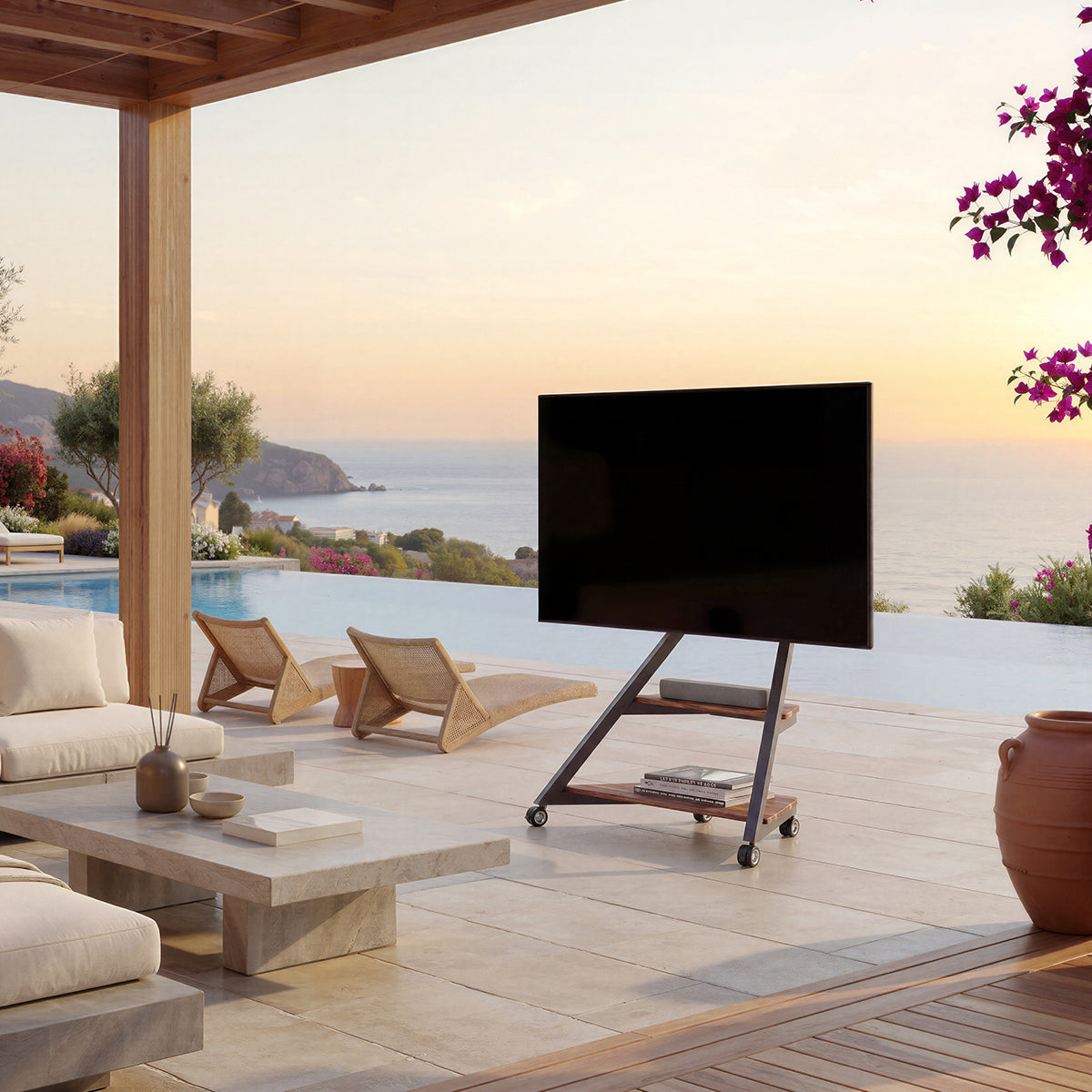
Position your outdoor TV under an eave, canopy, or pergola. This simple step already blocks 80% of direct weather exposure and reduces annoying glare for a much better viewing experience.
B. Use a mobile outdoor TV stand
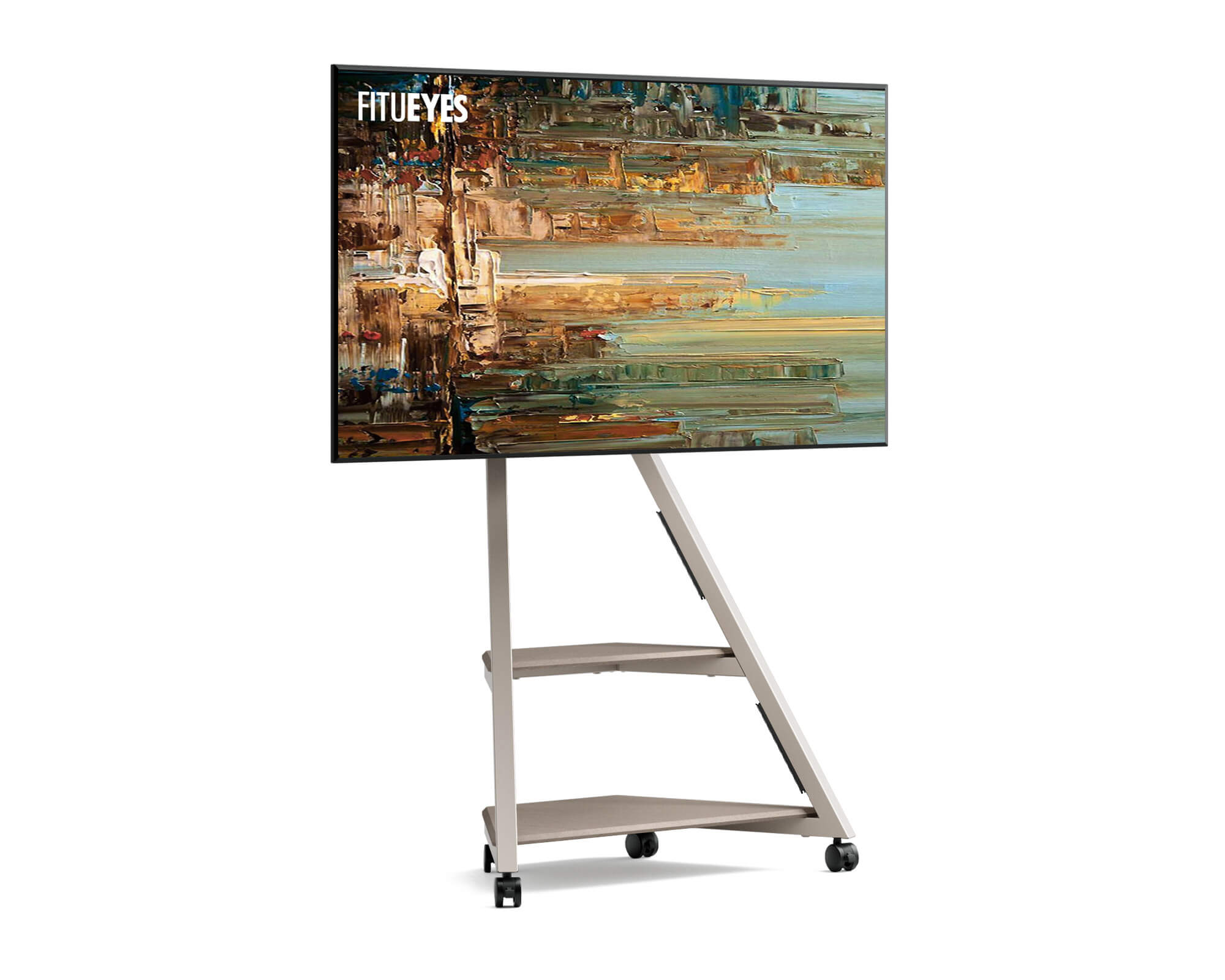
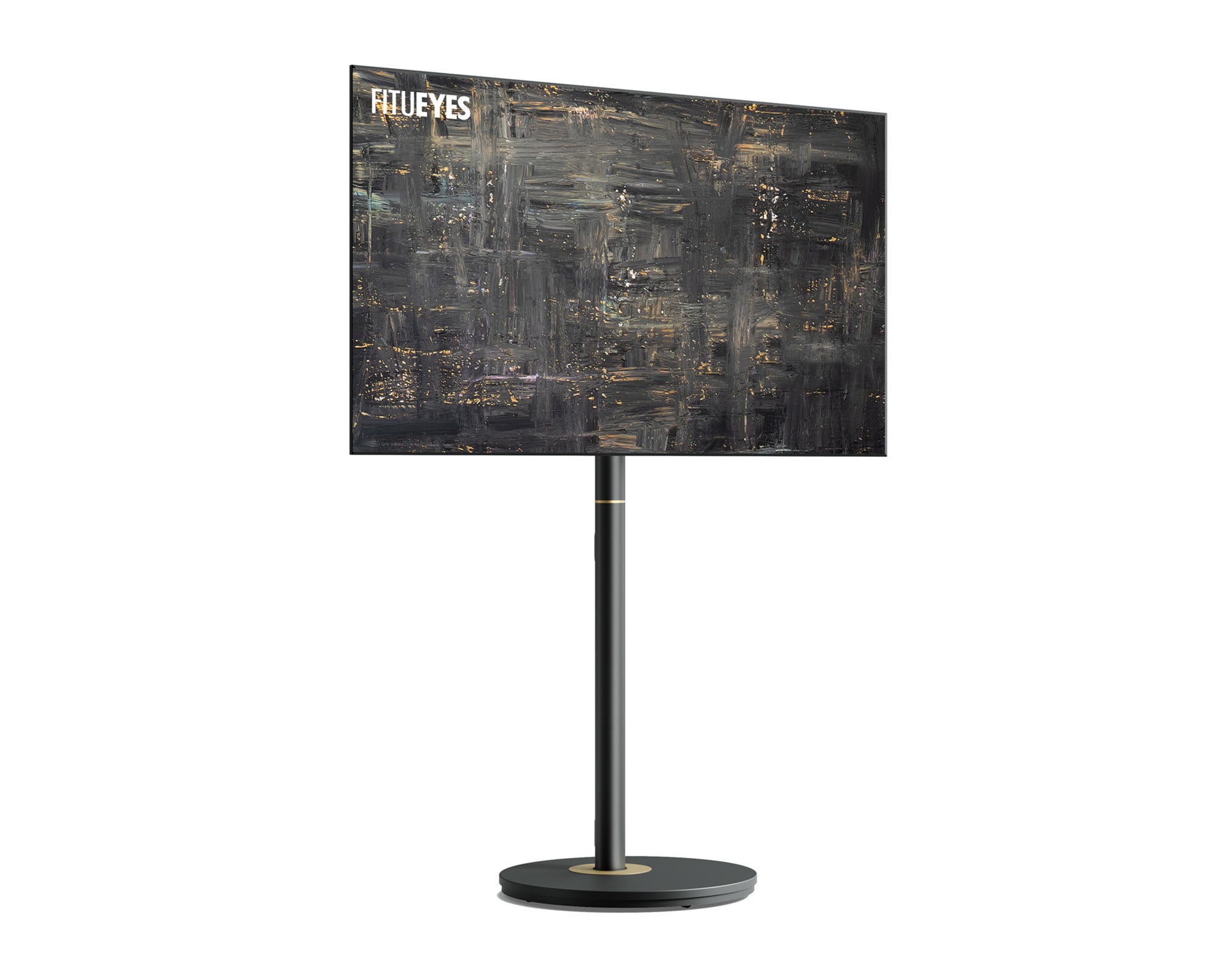
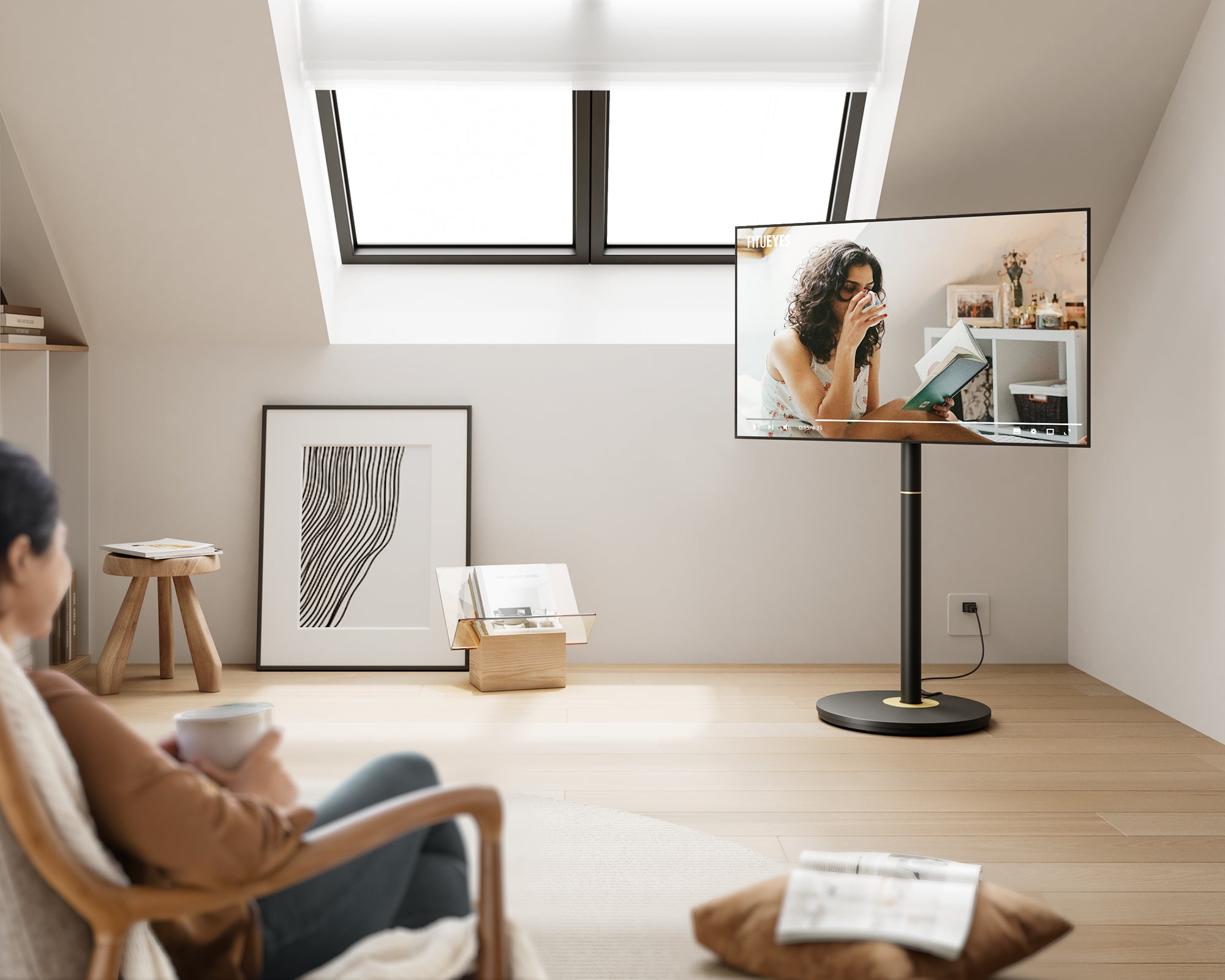
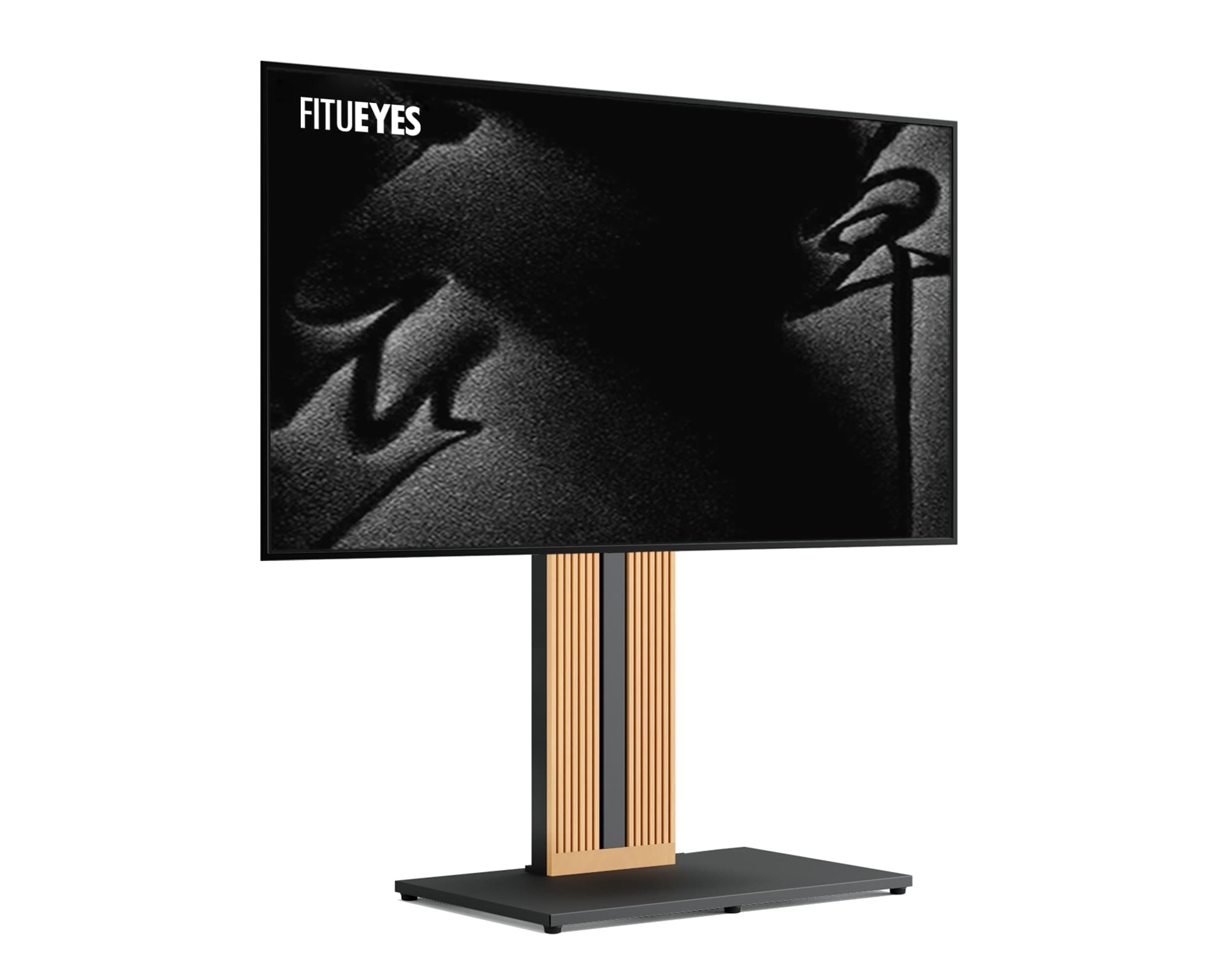
For many households, a fixed wall mount is too inflexible and exposes the device to the weather around the clock. A rolling TV stand from FITUEYES is the ultimate DIY solution for all outdoor enthusiasts:
- Flexibility: Simply roll the TV into the shade as the sun moves.
- Safety: Easily bring the TV indoors or into the garage when a storm approaches.
- No drilling: Enjoy a professional-looking setup without damaging the exterior walls of your house.
- Simple DIY assembly: Designed for quick setup with basic tools – supported by reliable customer service if you have questions.
C. Invest in a weatherproof protective cover
When the outdoor TV is not in use, you should cover it with a high-quality, custom-fit, waterproof protective cover. This provides an essential second layer of protection against dust, insects, and morning dew.

Summary
Outdoor TVs are not indestructible, but with the right equipment and careful planning, they are a fantastic addition to any home. Instead of constantly worrying about the rain, rely on smart protection: choose a shaded spot, utilize a flexible mobile outdoor TV stand from FITUEYES to keep your equipment adaptable, and always cover the device as soon as the movie credits roll.
By following these simple steps, nothing will stand in the way of enjoying the ultimate home cinema experience in your own garden for many years to come.